
3 Best Sheets for Hot Sleepers: Fabric Choices in 2026
We may earn a commission from some links on this page.

The short answer
Compare crisp cotton percale, a relaxed linen-cotton blend and a silk fitted sheet by fabric preference and fit. No pick here has a verified bedroom-cooling result; the silk option is a fitted piece only.
Abripedic 300 percale extra-deep set, Queen white
22-inch pocket can leave spare fabric on a shallow mattress.
Last updated October 31, 2026
Contents7
- #1. Abripedic 300 percale extra-deep set, Queen white: Crisp cotton; deeper pocket
- #2. Egyptian Linens flax-linen/cotton set, Queen white: Relaxed linen-cotton texture
- #3. Promeed 23mm silk fitted sheet, Queen white: Silk fitted piece
- Factors to consider when choosing the best sheets for hot sleepers
- More in this guide
- Frequently asked questions
- Verdict on best sheets for hot sleepers
Our top 3 picks: best sheets for hot sleepers
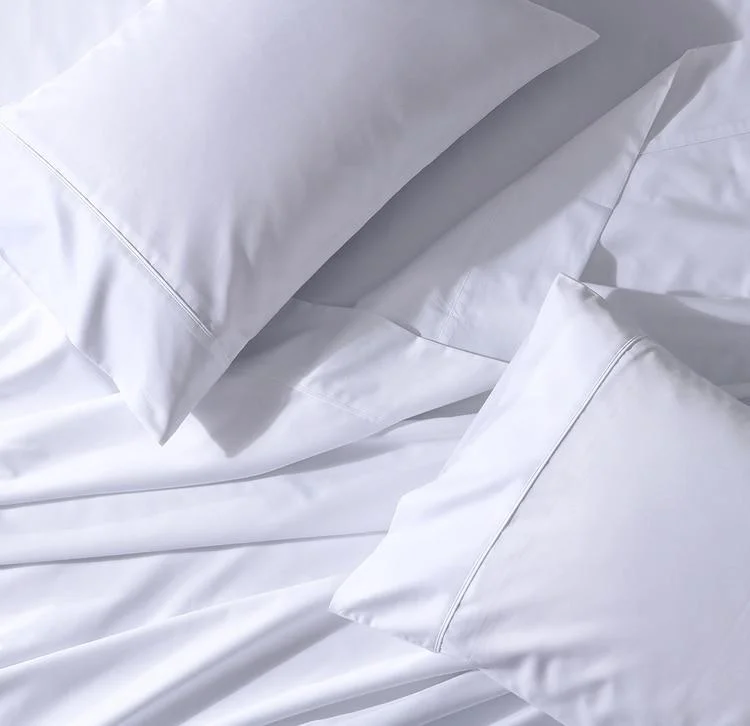 1Crisp cotton; deeper pocketAbripedic 300 percale extra-deep set, Queen whiteAbripedic 300 percale extra-deep set, Queen white
- 100% cotton percale
- Queen fitted: 60 × 80 inches
- 22-inch pocket; 102 × 112-inch flat
- Keep in mind:22-inch pocket can leave spare fabric on a shallow mattress.
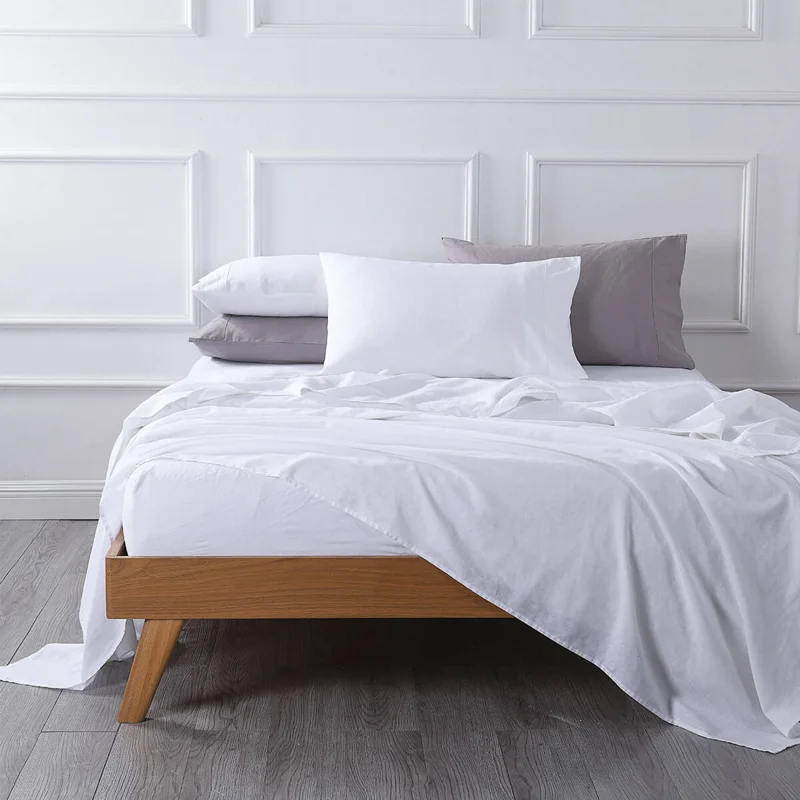 2Relaxed linen-cotton textureEgyptian Linens flax-linen/cotton set, Queen whiteEgyptian Linens flax-linen/cotton set, Queen white
- 55% Belgian flax linen, 45% cotton
- Queen fitted: 60 × 80 inches
- 15-inch pocket; four-piece set
- Keep in mind:A deliberately relaxed surface; choose another finish if you dislike creasing.
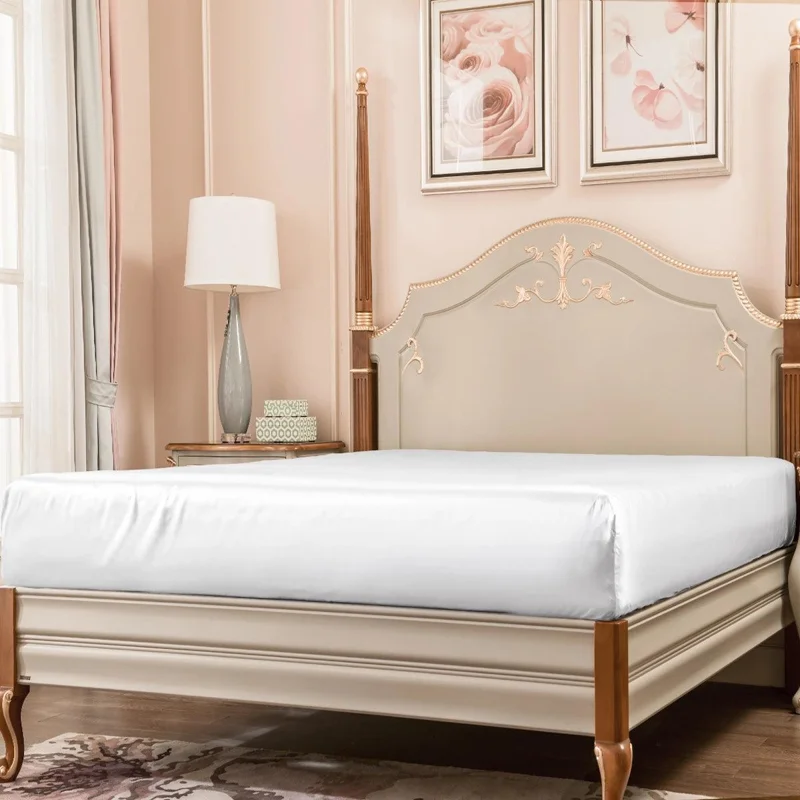 3Silk fitted piecePromeed 23mm silk fitted sheet, Queen whitePromeed 23mm silk fitted sheet, Queen white
- 100% mulberry silk, 23 momme
- Queen: 60 × 80 inches
- 16-inch fitted depth
- Keep in mind:Fitted sheet only; no flat sheet or pillowcases.
Compare crisp cotton percale, a relaxed linen-cotton blend and a silk fitted sheet by fabric preference and fit. No pick here has a verified bedroom-cooling result; the silk option is a fitted piece only.
We compared the selected maker specifications, variant sizes and care requirements.
#1. Abripedic 300 percale extra-deep set, Queen white: Crisp cotton; deeper pocket
Abripedic 300 percale extra-deep set, Queen white Abripedic 300 percale extra-deep set, Queen white
Our verdict:
Crisp cotton; deeper pocket
Choose the percale weave if you prefer a matte, crisp cotton surface and need a deeper fitted sheet.
Keep in mind: 22-inch pocket can leave spare fabric on a shallow mattress.
Check price at Egyptian Linens- 100% cotton percale
- Queen fitted: 60 × 80 inches
- 22-inch pocket; 102 × 112-inch flat
Choose the percale weave if you prefer a matte, crisp cotton surface and need a deeper fitted sheet. This Queen set has a 60 × 80-inch fitted piece with a 22-inch pocket, an oversized 102 × 112-inch flat and two 20 × 30-inch cases. Extra fabric is useful only when it matches your bed; it is not a quality score.
#2. Egyptian Linens flax-linen/cotton set, Queen white: Relaxed linen-cotton texture
Egyptian Linens flax-linen/cotton set, Queen white Egyptian Linens flax-linen/cotton set, Queen white
Our verdict:
Relaxed linen-cotton texture
The fabric combines 55% Belgian flax linen with 45% cotton.
Keep in mind: A deliberately relaxed surface; choose another finish if you dislike creasing.
Check price at Egyptian Linens- 55% Belgian flax linen, 45% cotton
- Queen fitted: 60 × 80 inches
- 15-inch pocket; four-piece set
The fabric combines 55% Belgian flax linen with 45% cotton. Its Queen pack contains a 60 × 80-inch fitted sheet, a 90 × 102-inch flat and two 20 × 30-inch cases. The 15-inch pocket and machine-washable care are practical comparison points. The relaxed texture includes creasing; this is not a wrinkle-free or verified pill-free option.
#3. Promeed 23mm silk fitted sheet, Queen white: Silk fitted piece
Promeed 23mm silk fitted sheet, Queen white Promeed 23mm silk fitted sheet, Queen white
Our verdict:
Silk fitted piece
Choose this fitted piece if silk is your fabric preference and you already have the other layers.
Keep in mind: Fitted sheet only; no flat sheet or pillowcases.
Check price at Promeed- 100% mulberry silk, 23 momme
- Queen: 60 × 80 inches
- 16-inch fitted depth
Choose this fitted piece if silk is your fabric preference and you already have the other layers. The selected Queen white variant is 60 × 80 inches with a 16-inch depth. It is one fitted sheet, not a complete set. Check the current silk-care label before washing; the maker’s skin, cooling and sleep-benefit claims are not findings of this comparison.
Factors to consider when choosing the best sheets for hot sleepers
Put each cooling claim in the right column
Start by asking what was examined. A fiber description tells you what the fabric is made from. A breathability claim describes a proposed benefit. A named vapor test adds evidence about one fabric property. An overnight trial would answer a further question about a bed under stated conditions.
Compare crisp cotton percale, a relaxed linen-cotton blend and a silk fitted sheet by fabric preference and fit. No pick here has a verified bedroom-cooling result; the silk option is a fitted piece only.
Use those distinctions when reading another shortlist too. Check whether a writer has compared whole sets, touched new fabric, or read the seller's description. A brief touch can tell someone about an initial surface feel. It cannot show what the bed felt like after a full night under a comforter. Look for the observation that answers your own complaint.
Separate a hot surface from a damp one
Describe what wakes you before changing the sheet. The surface may feel too warm at first touch. Perhaps dampness is the later problem. Or a thick top layer may trap you while the sheet feels fine. Each concern can point to a different item to change.
A vapor result is most relevant to the moisture question. It does not rank the first-touch feel of every sheet. Nor does it show how a thick protector under the sheet behaves. If you already like your sheet but dislike the top layer, replacing that sheet may leave your main concern in place. Review the whole bed before choosing which piece to change.
Name the part of the bed that needs to change. It could be the fitted sheet or the case. Your upper bedding is another part to check. A pillow has its own cover and fill. Buying a whole set for one case can leave spare pieces you do not need.
Choose fiber and weave as separate features
If crisp percale is the surface you seek, use our percale and sateen comparison to narrow that choice. Do not buy a sateen set simply because a list groups all cotton together. Likewise, brushing describes a surface treatment; it does not make two brands' finished fabrics identical. Read the construction of the exact range.
Choose between crisp percale, a relaxed linen-cotton blend and silk according to a fabric preference you can explain. A new fiber or weave changes the surface; it does not guarantee a cooler night.
Read bamboo language with the finished fiber label
A plant name on a sheet listing does not settle the fabric's identity. The FTC's bamboo textile guidance explains the distinction between bamboo fiber and rayon made from bamboo. Read the actual fiber statement before comparing a bamboo-marketed set with cotton or microfiber. Use the same care when a photo shows trees or leaves.
The shortlist includes cotton percale, a linen-cotton blend and a silk fitted sheet. None is a microfiber or bamboo-viscose pick. Read the exact fiber and care statement if you compare another range.
Let the upper bedding share the heat decision
Lay out the layers you plan to use: sheet, blanket, filled top layer and any cover. Note which ones you tend to kick aside during the night. That inventory helps identify whether the next purchase should be a sheet set, a lighter upper layer or nothing yet. It also avoids choosing sheets from a styled photo that omits the bedding you actually use.
A duvet insert and its cover are two separate pieces. Replacing one does not establish a result for the other. If you want to compare a lighter filled layer, see our comforter choices for hot sleepers. Keep the reason for each change clear. You can prefer a lighter bed without claiming a controlled temperature reduction from a new sheet alone.
For partners, discuss which layer each person wants before replacing shared bedding. A split preference may concern top coverage rather than the fitted sheet beneath both people. Check the usable width and length of any separate upper pieces. There is no need to replace a correct fitted sheet merely to match a photograph of a coordinated set.
Check the protector that stays under the sheet
A mattress protector or topper may remain between the sheet and mattress. Read its material and care label while checking the sheets. It is part of the bed you use, even though it does not appear in a product image. Do not treat a sheet's reported fabric result as a measurement of that whole layered setup.
Decide whether those layers will stay before measuring fitted height. A new topper can change both the surface beneath you and the sheet depth you need. Keep its thickness in the measurement when it will be enclosed by the fitted sheet. The bed base and the distance from the floor do not belong in that figure.
If a layer must stay for another reason, choose sheets around the real setup. Avoid comparing a bare mattress at home and then assuming the result will be the same after you add the protector back. Keep your own comparison useful by changing one planned item at a time where practical. You are recording a household preference, rather than conducting a lab study.
Use the queen dimensions to reject a poor fit
Pocket depth cannot replace missing length. A queen sheet is not a fitted solution for two separate Twin XL mattresses just because the combined bed looks similar. Nor does a larger flat sheet change its fitted partner's cut. For a split moving bed, start with the adjustable-bed sheet guide, where the pack format is the first comparison.
At a stated boundary, ask the maker about the actual mattress shape and height. Do not add an imagined stretch allowance to the published limit. Elastic around the edge tells you how a fitted sheet is held; it does not give an extra documented inch of capacity. A reliable fit is worth settling before you debate which cooling claim you prefer.
Count the top sheet and cases you will use
Each of these queen packs includes a flat sheet and two cases. If you use four pillows, count the two further cases as a separate shopping need. If you prefer a duvet cover without a top sheet, the flat may become a spare rather than part of the daily bed. Compare the useful pieces, rather than choosing by the largest piece count.
Keep a case that works if you only need a fitted sheet. It need not share the new sheet's brand. Read both care labels before mixing fabrics in one wash. A mixed bed can suit your own needs. There is no need to buy a case whose surface you dislike.
Plan laundry around the textile you choose
Abripedic 300 percale extra-deep set, Queen white lists 100% cotton percale; Queen fitted: 60 × 80 inches; 22-inch pocket; 102 × 112-inch flat. 22-inch pocket can leave spare fabric on a shallow mattress.
Wash temperature does not name sleep temperature. A cold-wash label says how to care for the fabric. It is not evidence that the finished bed stays colder. Our first pick is supported by its reported vapor test, rather than the word cold in the care directions. Keep those two reasons separate when comparing packs.
For Promeed 23mm silk fitted sheet, Queen white, keep this limit with the care instructions: Fitted sheet only; no flat sheet or pillowcases. Read the delivered label for the full cleaning procedure.
Read a test claim without inventing the missing score
If you need a closer comparison, ask for the method, sample identity and conditions. A result for one fabric sample may have a narrower scope than a trial of a whole bed. Check whether the selected range is identified, rather than assuming the result applies to everything with the same maker name. Keep the answer with the particular claim it supports.
Check what the test does not measure. Vapor passing through fabric is one task. Taking up liquid is another, and wash appearance is a third. One useful test need not answer all three. Look for a clear link between the claim and the item you will receive.
Make a home comparison that helps the next purchase
Keep the same upper bedding when you first compare a new sheet with one you know, if that fits your normal routine. Note which set you used and whether the protector stayed. Record the part you liked or disliked in plain words. A short note such as a preferred surface or better case fit is more useful than a vague overall award.
If the room setup also changed, note that too. A new fan, different top layer or another mattress can make the experience different. You can still choose what you prefer. Avoid assigning every change to the sheet when several things changed together. This record is for a practical household decision, without a claim that it isolates a medical or cooling effect.
Check a new purchase's actual return terms before washing or using it. Keep packaging and labels as those terms require. A home comparison should help you choose, while respecting the conditions of the exact purchase. The three makers do not necessarily offer the same process.
Compare replacements by range, rather than brand alone
When you reorder, start with the range and size that worked. Read the current fabric and pack list again. A brand can sell both cotton and microfiber. Its deeper-pocket range may also have a different cut. Use the details you kept, rather than color alone.
Inspect the new delivery before it joins the linen cupboard. Read the sewn label and count the pieces. If a size or material differs from the order, settle that mismatch first. The first step in a useful comparison is knowing which item you have. A product title in an old email cannot confirm the contents of a new package.
Compare the flat sheet's actual coverage
Each selected flat sheet is 90 inches wide. A centered flat on a 60-inch-wide mattress leaves 15 inches at each side before a tuck. That comes from subtracting 60 from 90, then dividing the remaining width by two. It is a coverage calculation, without an allowance for the way you choose to tuck or pull the sheet.
Decide whether you want that top sheet tucked on both sides, loose at the sides, or omitted. A change in how you dress the top of the bed can be part of a comfort preference. Keep the fitted sheet correctly matched underneath. Choosing a bigger fitted cut to get more top coverage solves the wrong dimension and may leave excess fabric where you lie.
Length needs its own check at the foot. The selected flat sheets are 102 inches long, while the mattress footprint is 80 inches long. The difference is 22 inches in total, before any head fold or foot tuck. Decide how to share that allowance in your own bed. A pack photograph does not tell you how much its stylist tucked away.
Check the length with the top sheet positioned where you use it at the head. Measure what remains at the foot before you decide on the tuck. Partners may also want different amounts of loose top coverage. Settle that shared layer choice without using a larger fitted sheet on the same mattress. The bottom footprint still needs its own correct match.
More in this guide
Frequently asked questions
Is cotton or percale better for hot sleepers?
Cotton is a fiber and percale is a weave. The selected extra-deep cotton set is percale, while the linen-cotton and silk choices have different fibers. These distinctions do not establish a shared cooling result.
Are linen or bamboo sheets better for hot sleepers?
Bamboo viscose and pure linen are not in this exact shortlist. The selected linen option is a 55% flax-linen, 45% cotton blend. A bamboo-marketed product still needs its actual fiber label and its own evidence.
What is the downside of bamboo sheets?
The plant name can leave the finished fiber unclear. Read the fabric label and care first. The FTC distinguishes bamboo fiber from rayon made from bamboo. Its heat result and wear score remain outside the facts established for these exact products.
Verdict on best sheets for hot sleepers
Explore the original datasets and sourced findings in our sleep research.