
3 Best Pillows for Back Sleepers and Side Sleepers in 2026
We may earn a commission from some links on this page.

The short answer
For changing between back and side positions, compare two inner-pillow settings, fine loose-fill changes and a removable foam core. Each change is manual; no pillow adjusts itself as you turn.
Abripedic 2-in-1 pillow, Standard/Queen
Two whole-pillow settings; no loose-fill adjustment.
Last updated October 31, 2026
Contents19
- #1. Abripedic 2-in-1 pillow, Standard/Queen: Removable inner pillow
- #2. Coop Original adjustable pillow, Classic King: Fine loose-fill adjustment
- #3. Egyptian Linens adjustable duck-down pillow, Standard/Queen: Removable foam core
- Factors to consider when choosing the best pillows for back sleepers and side sleepers
- Evaluating adjustable fill pillows for flexible support
- Understanding pillow-in-pillow designs for versatile comfort
- Compare the removable foam-core option
- How to assess your current pillow for comparison
- Choosing the right pillow for changing positions
- Distinguishing individual needs from shared bed preferences
- How to make small fill adjustments without creating a mess
- The importance of the pillowcase and its impact on feel
- Making notes on your pillow settings for future reference
- Choose the adjustment you want to make
- Understanding the 'hotel' versus 'home' pillow feel
- How we picked the best pillows for back sleepers and side sleepers
- More in this guide
- Frequently asked questions
- Verdict on best pillows for back sleepers and side sleepers
Our top 3 picks: best pillows for back sleepers and side sleepers
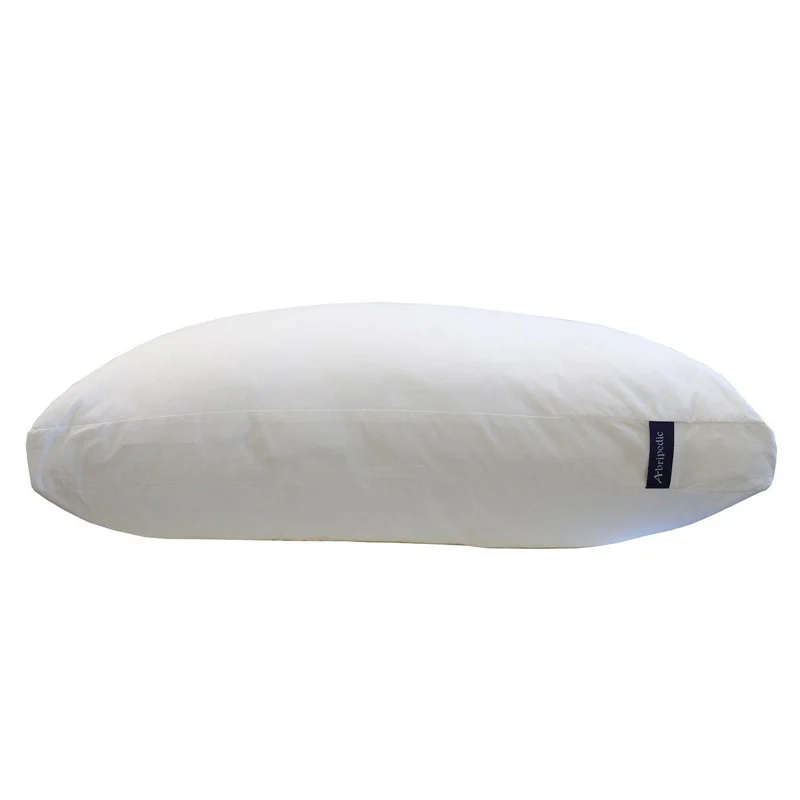 1Removable inner pillowAbripedic 2-in-1 pillow, Standard/QueenAbripedic 2-in-1 pillow, Standard/Queen
- 20 × 28 inches
- Cotton shell; down-alternative filling
- Zipped cover and removable inner pillow
- Keep in mind:Two whole-pillow settings; no loose-fill adjustment.
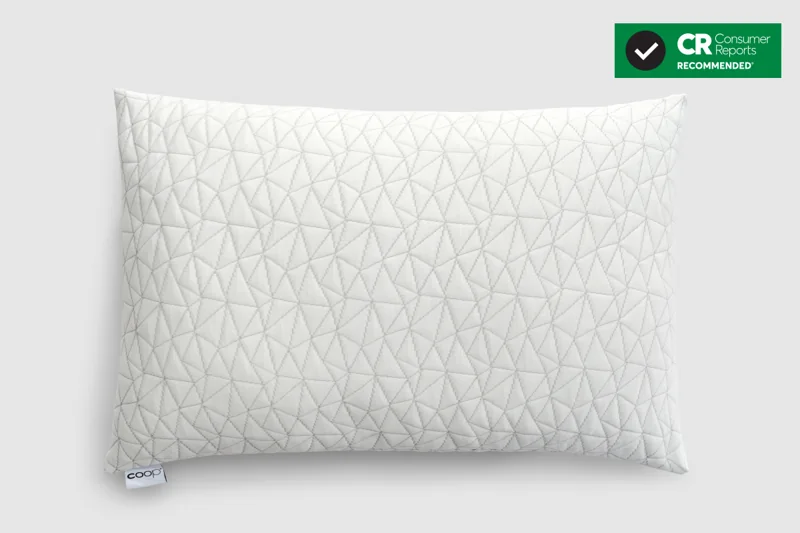 2Fine loose-fill adjustmentCoop Original adjustable pillow, Classic KingCoop Original adjustable pillow, Classic King
- Cross-cut memory foam and microfiber
- Loose filling can be added or removed
- Classic King: 19 × 35 inches
- Keep in mind:King Classic is 19 × 35 inches on the current maker chart; confirm case fit.
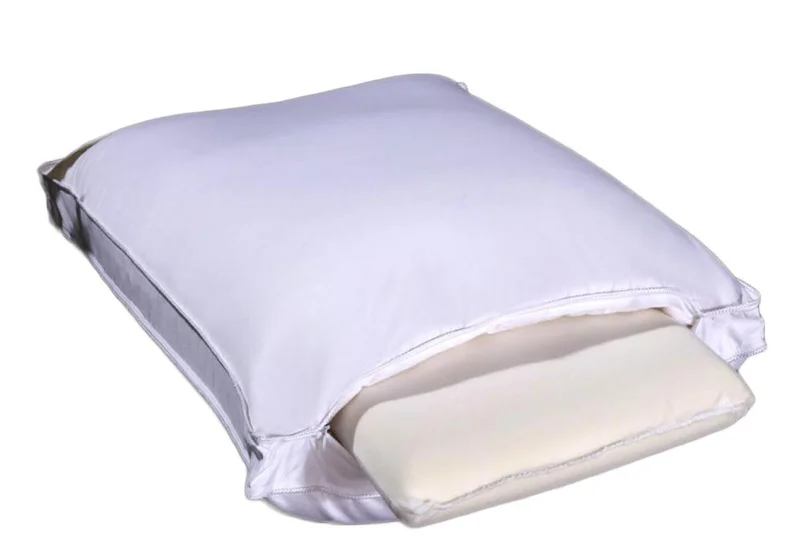 3Removable foam coreEgyptian Linens adjustable duck-down pillow, Standard/QueenEgyptian Linens adjustable duck-down pillow, Standard/Queen
- 20 × 28 inches
- 50% white duck down, 50% feather fill
- Removable memory-foam core
- Keep in mind:Contains down and feathers; dry cleaning recommended.
For changing between back and side positions, compare two inner-pillow settings, fine loose-fill changes and a removable foam core. Each change is manual; no pillow adjusts itself as you turn.
We compared the selected maker specifications, variant sizes and care requirements.
#1. Abripedic 2-in-1 pillow, Standard/Queen: Removable inner pillow
Abripedic 2-in-1 pillow, Standard/Queen Abripedic 2-in-1 pillow, Standard/Queen
Our verdict:
Removable inner pillow
This 20 × 28-inch pillow has a cotton shell and down-alternative filling.
Keep in mind: Two whole-pillow settings; no loose-fill adjustment.
Check price at Egyptian Linens- 20 × 28 inches
- Cotton shell; down-alternative filling
- Zipped cover and removable inner pillow
This 20 × 28-inch pillow has a cotton shell and down-alternative filling. Unzip it to remove the inner pillow for the softer configuration, or keep both parts together for the fuller configuration. That is a choice between two whole-pillow settings, rather than a loose-fill adjustment. Confirm the delivered care label; the current product text does not supply a complete washing procedure.
#2. Coop Original adjustable pillow, Classic King: Fine loose-fill adjustment
Coop Original adjustable pillow, Classic King Coop Original adjustable pillow, Classic King
Our verdict:
Fine loose-fill adjustment
Choose the Coop Classic King if you need small changes to the amount of loose fill.
Keep in mind: King Classic is 19 × 35 inches on the current maker chart; confirm case fit.
View at Coop Sleep Goods- Cross-cut memory foam and microfiber
- Loose filling can be added or removed
- Classic King: 19 × 35 inches
Choose the Coop Classic King if you need small changes to the amount of loose fill. Its cross-cut memory-foam and microfiber filling can be added or removed, unlike a pillow whose whole inner section comes out. The current maker size chart gives 19 × 35 inches for Classic King; do not substitute the Crescent or Cut-Out model. Follow the separate instructions for the outer cover and filled pillow.
#3. Egyptian Linens adjustable duck-down pillow, Standard/Queen: Removable foam core
Egyptian Linens adjustable duck-down pillow, Standard/Queen Egyptian Linens adjustable duck-down pillow, Standard/Queen
Our verdict:
Removable foam core
The cotton-covered 20 × 28-inch pillow combines 50% white duck down and 50% feathers around a removable memory-foam core.
Keep in mind: Contains down and feathers; dry cleaning recommended.
Check price at Egyptian Linens- 20 × 28 inches
- 50% white duck down, 50% feather fill
- Removable memory-foam core
The cotton-covered 20 × 28-inch pillow combines 50% white duck down and 50% feathers around a removable memory-foam core. Removing the whole core changes the configuration; it is not a fine-grained loose-fill control. The maker describes medium-to-firm support and recommends dry cleaning. That firmness label does not establish the loaded height on your mattress.
Factors to consider when choosing the best pillows for back sleepers and side sleepers
Your sleep position changes during the night. A pillow must adapt to these shifts. For back sleeping, your head and neck should align with your spine. The pillow fills the curve of your neck.
It cradles your head without pushing it too far forward. The ideal height keeps your chin level.
When you turn to your side, the pillow needs more loft. It fills the space between your ear and the mattress. This keeps your head in line with your spine. If the pillow is too low, your head drops.
If it is too high, your head is pushed up. Both misalign your neck. Your pillow must bridge this gap effectively.
For changing between back and side positions, compare two inner-pillow settings, fine loose-fill changes and a removable foam core. Each change is manual; no pillow adjusts itself as you turn.
These choices involve different tasks. Loose fill needs a clean place to work and a bag for spare material. A removable section needs somewhere to stay clean and dry. Fixed fill leaves you with the size and firmness you chose, though it can still compress under your head.
The cover material also matters. A smooth cover lets your head slide easily. This helps when you change positions. A textured cover might grip more.
This can be less ideal for frequent movers. Look at the pillow's care instructions. Easy care contributes to a fresh sleeping environment. This affects overall sleep satisfaction.
Evaluating adjustable fill pillows for flexible support
An adjustable fill pillow allows you to change its height and firmness. This is useful for sleepers who move between back and side. You can start with the pillow as it is. Sleep on it for a few nights.
Then, make small adjustments. Remove or add fill gradually. This helps you find your ideal setup.
The Coop Original adjustable pillow uses a blend of cross-cut memory foam and microfiber fill. This combination offers both support and softness. Memory foam provides contouring. Microfiber adds a plush feel.
This blend adapts to pressure. It supports your head as you shift positions.
When adjusting fill, open the pillow carefully. Remove a small amount of fill at a time. Keep the excess fill in a sealed bag. This prevents dust and keeps it clean.
You can add it back later if you need more loft. Note how much you remove. This helps you understand your comfort changes.
For side sleeping, you generally need more fill. This creates a higher loft to fill the shoulder gap. For back sleeping, you might remove some fill. This lowers the pillow to maintain spinal alignment.
The ability to fine-tune the pillow offers versatility. It addresses the changing needs of combined back and side sleepers.
Understanding pillow-in-pillow designs for versatile comfort
The inner and outer sections contain separate fill. Using both sections and using the outer section alone are different setups to try. A two-layer design does not establish that it suits both sleep positions.
The fill stays inside each section. You change the whole inner section, rather than scooping out material. Keep that section clean and dry if you set it aside. You can put it back when you want the fuller setup.
Try both setups with the same case and mattress. Record which one you prefer on your back and on your side.
Down-alternative describes the filling category, not one shared cleaning procedure. The Abripedic product text does not give a complete wash process, so follow the delivered label for each part.
Two settings limit the choice you have to make. They also leave less room for a small change than loose fill does. If both sections feel too full and the outer section feels too low, there is no stated third setting between them.
Compare the removable foam-core option
The Egyptian Linens adjustable pillow has down and feathers around a removable memory-foam core. Removing that core changes the whole configuration; it is not a fixed-fill pillow or a loose-fill adjustment. The maker describes medium-to-firm support and recommends dry cleaning. Check the delivered instructions for each part.
How to assess your current pillow for comparison
Before buying a new pillow, describe your current one. Note its size and fill. Record whether it feels too full or too low when you lie on your back. This provides a comfort reference without assuming a diagnosis from your head position.
Next, note the feel when you turn to your side. You may prefer a different height in this position. Keep the mattress and case the same while comparing. The point is to record the trade-off you notice, rather than assume a single height is right for everyone.
Record firmness separately from the size. A pillow may feel acceptable on your back and too soft on your side. That is a useful personal observation. It does not establish how a different product will feel from its medium/firm label alone.
Note how often you fluff or reposition the pillow. Check whether this is a new change or your usual habit. Look at the condition of the fill and cover too. A habit alone does not prove that a new adjustable or two-layer pillow will solve the issue.
Choosing the right pillow for changing positions
You shift between back and side during the night. Your pillow needs to adapt. A single, fixed loft may not be ideal. Consider an adjustable fill pillow if you want full control.
You can fine-tune it to suit your needs for both positions. This offers the most flexibility.
The Coop Original adjustable pillow allows you to remove or add fill. Start with the pillow fully filled. Sleep on it for a few nights. If it feels too high for back sleeping, remove a small handful of fill.
If it feels too low for side sleeping, add a small amount. Record your changes.
Distinguishing individual needs from shared bed preferences
Your pillow choice is personal. Your partner may have different sleep habits. One person might be a strict side sleeper. The other might prefer back sleeping.
Do not try to find one pillow that suits both of you. Each person should have their own pillow choice.
If you are the one who shifts positions, focus on your needs. Your partner's preferred pillow might be completely different. Their pillow might be too firm or too soft for you. Do not compromise your comfort to match theirs.
Prioritize your own sleep quality.
It allows both sleepers to achieve optimal comfort.
Even with fixed-fill pillows, you can each choose a different model. One might pick a firmer pillow. The other might choose a softer one. The goal is two separate, comfortable sleep experiences.
Your pillow choice should not be a shared decision unless both of you share the exact same needs.
How to make small fill adjustments without creating a mess
Adjusting loose fill can be messy if not done carefully. Choose a clean, flat surface, like a bed or large table. Lay down a clean sheet or towel first. This catches any stray fill.
It makes cleanup easier. Work in a well-lit area.
Unzip the pillow's outer cover and then the inner lining. Gently reach inside and remove a small amount of fill. Place the removed fill directly into a clean, sealable bag. Do not just place it on the bed.
A Ziploc bag works well for this purpose.
Start by removing a small handful of fill. Close the pillow and test it. Sleep on it for a night or two. If it still feels too high, repeat the process.
Always remove less than you think you need. It is easier to remove more than to add back in without making a mess.
Once you have achieved your desired firmness and loft, seal the extra fill bag. Label it. Store it in a closet. This way, you have it if your preferences change.
Or if the pillow compresses over time and needs a boost. This method minimizes mess and maximizes control.
The importance of the pillowcase and its impact on feel
Your pillowcase affects how a pillow feels. A smooth, soft pillowcase allows your head to move easily. This is good for combination sleepers. You can turn your head from side to back without friction.
Abripedic 2-in-1 pillow, Standard/Queen lists 20 × 28 inches; Cotton shell; down-alternative filling; Zipped cover and removable inner pillow. Two whole-pillow settings; no loose-fill adjustment.
A pillowcase can also change the pillow's perceived firmness. A very tight pillowcase compresses the fill. This can make a pillow feel firmer than it is. A loose pillowcase allows more movement.
This can make it feel softer. Choose a pillowcase that fits well.
Consider the fabric of your pillowcase. A fabric that breathes well can help with temperature regulation. This keeps your head comfortable. A pillowcase is the first point of contact.
Its texture and fit contribute significantly to your overall sleep experience. It is worth choosing carefully.
Making notes on your pillow settings for future reference
If you have an adjustable pillow, record the date and the amount of fill you changed. Note the feel on your back and side separately. Save removed fill in a clean sealed bag. The record helps you return to an earlier setting if you prefer it.
You can use a small notebook or a note on your phone. For example, 'Removed 2 cups of fill on 10/26. Felt better for back, a little low for side.' Then a week later, 'Added 1 cup of fill on 11/2. Good for both.' This systematic approach avoids guesswork.
Your preferences might change over time. Keeping notes helps you remember past successful adjustments. It also guides you if you need to reset the pillow. If you wash your pillow, it might need re-fluffing or minor fill adjustments.
Your notes provide a baseline.
These notes are useful if you temporarily switch pillows. They let you record an earlier fill amount without relying on memory. Restoring that amount does not guarantee the same comfort later. Wear, your case and your mattress can change the feel, so compare both positions again.
Choose the adjustment you want to make
An adjustable pillow, such as the Coop Original, gives you control over loft and firmness. This requires some trial and error at home. You commit to customizing the pillow. This is for sleepers who need to fine-tune their comfort.
It provides personalized support.
Consider the effort you want to put into an adjustment. Loose fill needs handling and somewhere clean to keep the spare material. Fixed fill removes that task, but also removes that setting. Choose the process you want without assuming either design guarantees comfort.
Fixed pillows are often chosen by those with clear preferences. They know what height and firmness works for them. Adjustable pillows appeal to those who need flexibility. They might not know their ideal settings, or their needs change.
Loose-fill adjustment, taking out a whole inner pillow, and removing a foam core are different tasks. Use the mechanism named on the selected card. Change one setting at a time, then check it in the positions you use; none of these pillows adjusts itself during the night.
Understanding the 'hotel' versus 'home' pillow feel
If you liked a hotel pillow, ask for its actual maker and size. The word hotel does not specify the fill or its amount. A memory of the room cannot establish which pillow you used. Record the label if available, rather than buying on a similar photograph.
At home, your pillow needs to sustain comfort over time. A hotel pillow might feel great for one or two nights. It may not offer the specific support you need every night. Your home pillow is an investment in daily sleep quality.
It is not just for temporary luxury.
Adjustable pillows, like the Coop Original, allow you to create a personalized 'home' feel. You can match the support you need for your back and side positions. A hotel might not have a pillow that perfectly suits your changing sleep style. You can replicate a preferred hotel feel at home by adjusting your pillow.
There is no hotel-purchasing evidence for Abripedic 2-in-1 pillow, Standard/Queen. Compare the stated construction and care without treating a dressed-bed photograph as a hotel endorsement.
How we picked the best pillows for back sleepers and side sleepers
We compared the published specifications of each pillow. This included details about their fill materials. We looked at whether the fill was adjustable or fixed. We also noted the cover materials described by the manufacturers.
These specifications inform how each pillow might perform for back and side sleepers.
For adjustable pillows, we noted the inclusion of extra fill. This feature adds to the pillow's customizability. For fixed pillows, we examined the manufacturer's description of firmness or feel. These details help assess the type of support offered without physical testing.
For Abripedic 2-in-1 pillow, Standard/Queen, keep this limit with the care instructions: Two whole-pillow settings; no loose-fill adjustment. Read the delivered label for the full cleaning procedure.
More in this guide
Frequently asked questions
Can one pillow really work for both back and side sleeping?
Yes, but it depends on the pillow's design. Adjustable fill pillows allow you to customize the height for each position. Dual-layer pillows offer a combination of soft and firm support to adapt to different needs. A fixed medium/firm pillow can also work if its loft suits both your back and side sleeping positions.
The key is finding a pillow that provides proper spinal alignment in both scenarios.
How do I know if my pillow is too high or too low for my back and side positions?
For back sleeping, your chin should be level, not tucked into your chest or tilting upwards. For side sleeping, your head should align with your spine, neither dropping below your shoulder nor propped up above it. Observe your head and neck alignment in a mirror or ask someone to check. Constant pillow adjustments or neck discomfort are also indicators of an improper fit.
What is the benefit of a loose-fill adjustable pillow compared to a fixed-fill pillow?
These are different adjustment tasks, without a measured comfort winner. Fixed fill can still compress and change with use. Neither a fixed amount nor an adjustable amount proves that one pillow will suit both positions. Compare the feel with your own case and mattress, and keep the current return terms with your notes.
Should I choose a standard or king size pillow if I sleep on my back and side?
Both sizes can support back and side sleeping; focus on loft and firmness, not just length.
Verdict on best pillows for back sleepers and side sleepers
None has a measured fit result for your two positions. Decide whether you want an adjustment to try, then check the case size and care. Use our back-sleeper guide if you mainly sleep on your back. Keep your own preference separate from a maker's firmness label.