
3 Sets of Bunk Bed Bedding Sheets in 2026
We may earn a commission from some links on this page.

The short answer
Choose the shallow-pocket Twin set for a permitted 6–10-inch mattress, regular Twin percale for a 39 × 75-inch bed, or Twin XL sateen for a 39 × 80-inch bed. The bunk maker’s mattress-height limit comes first.
Egyptian Linens low-profile cotton set, Twin white
For the stated 6–10-inch range; never exceed the bunk maker’s mattress limit.
Last updated October 31, 2026
Contents8
- #1. Egyptian Linens low-profile cotton set, Twin white: Shallow bunk-mattress fit
- #2. Egyptian Linens 300 percale set, Twin white: Regular Twin cotton set
- #3. Royal Tradition 300 cotton sateen set, Twin XL white: Cotton sateen Twin XL
- Factors to consider when choosing bunk bed bedding sheets
- How we picked these conditional sheet choices
- More in this guide
- Frequently asked questions
- Verdict on bunk bed bedding sheets
Our top 3 picks: bunk bed bedding sheets
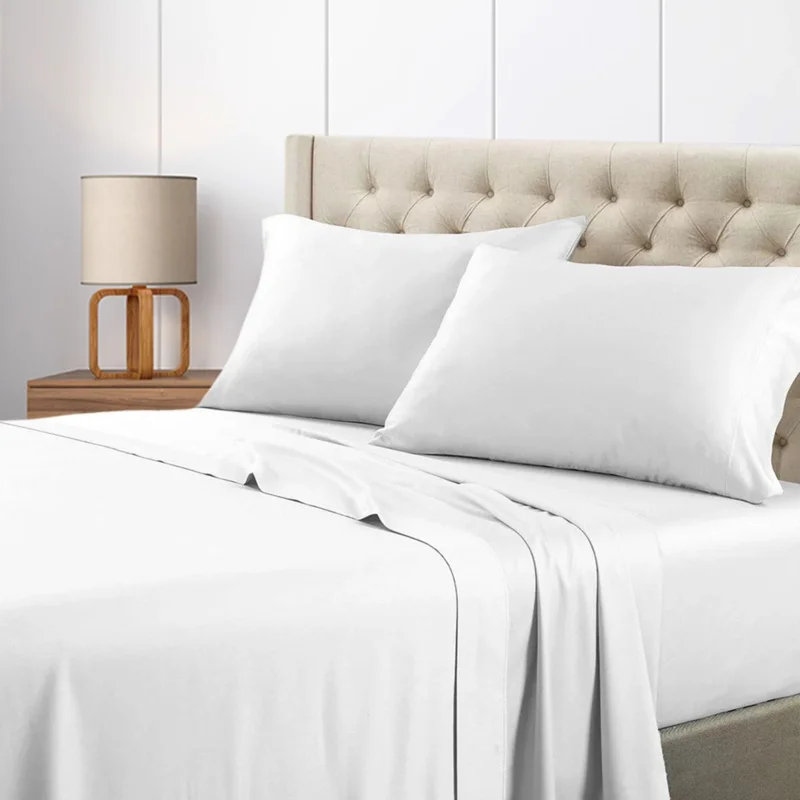 1Shallow bunk-mattress fitEgyptian Linens low-profile cotton set, Twin whiteEgyptian Linens low-profile cotton set, Twin white
- 100% cotton sateen
- Twin fitted: 39 × 75 inches
- Shallow pockets and corner straps
- Keep in mind:For the stated 6–10-inch range; never exceed the bunk maker’s mattress limit.
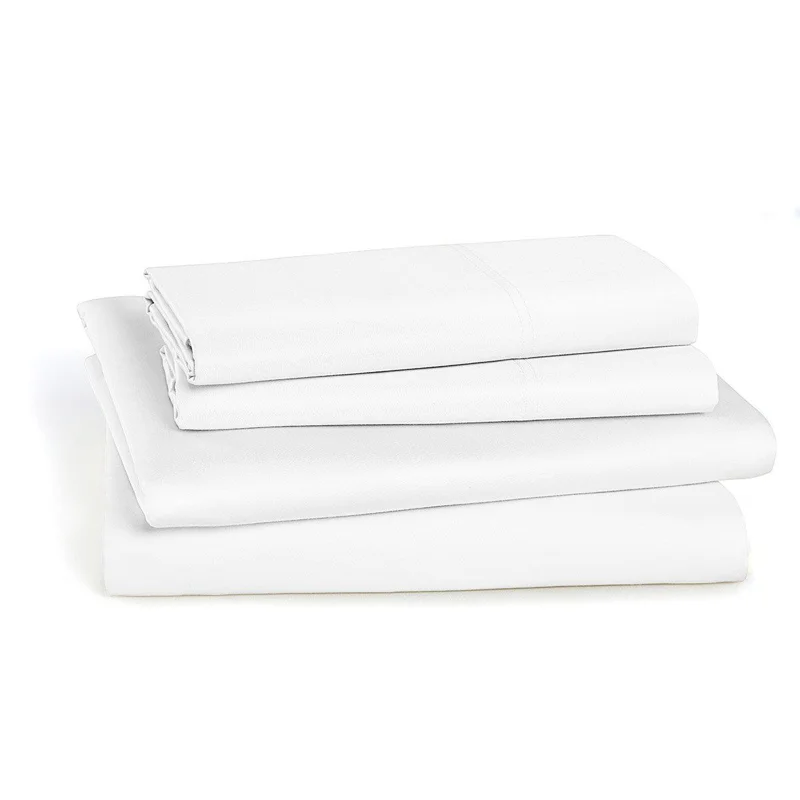 2Regular Twin cotton setEgyptian Linens 300 percale set, Twin whiteEgyptian Linens 300 percale set, Twin white
- 100% cotton percale
- Twin fitted: 39 × 75 inches
- Flat and one standard case included
- Keep in mind:16-inch pockets may be loose on a low bunk mattress.
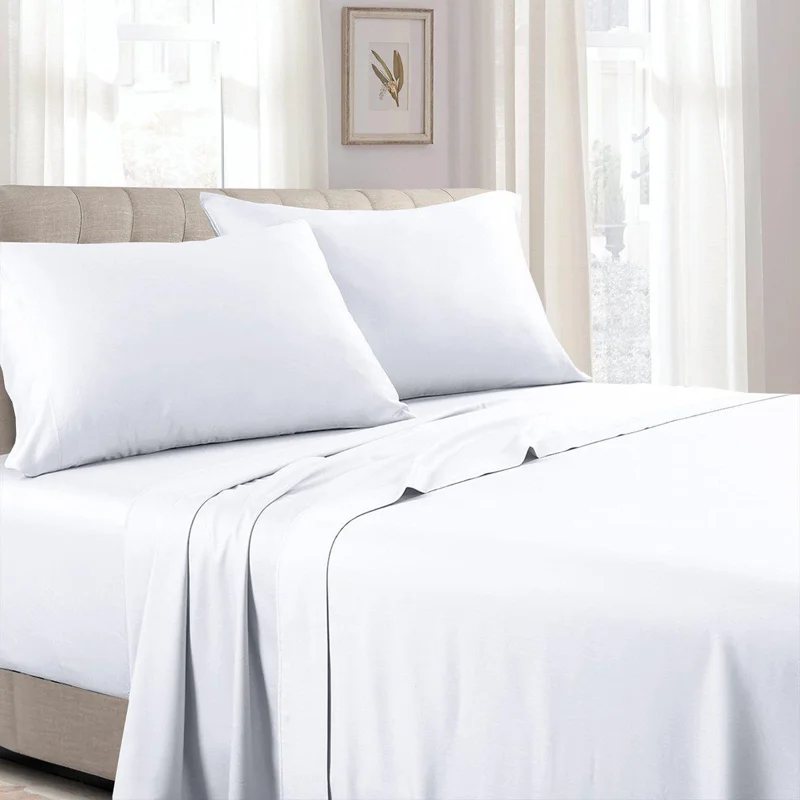 3Cotton sateen Twin XLRoyal Tradition 300 cotton sateen set, Twin XL whiteRoyal Tradition 300 cotton sateen set, Twin XL white
- 100% cotton
- Twin XL fitted: 39 × 80 inches
- 15-inch pocket; three-piece set
- Keep in mind:15-inch pocket; regular Twin is shorter.
Choose the shallow-pocket Twin set for a permitted 6–10-inch mattress, regular Twin percale for a 39 × 75-inch bed, or Twin XL sateen for a 39 × 80-inch bed. The bunk maker’s mattress-height limit comes first.
We compared the selected maker specifications, variant sizes and care requirements.
#1. Egyptian Linens low-profile cotton set, Twin white: Shallow bunk-mattress fit
Egyptian Linens low-profile cotton set, Twin white Egyptian Linens low-profile cotton set, Twin white
Our verdict:
Shallow bunk-mattress fit
This regular Twin set is designed for shallow mattresses in the stated 6–10-inch range.
Keep in mind: For the stated 6–10-inch range; never exceed the bunk maker’s mattress limit.
Check price at Egyptian Linens- 100% cotton sateen
- Twin fitted: 39 × 75 inches
- Shallow pockets and corner straps
This regular Twin set is designed for shallow mattresses in the stated 6–10-inch range. The fitted piece is 39 × 75 inches, with a 66 × 96-inch flat and one 20 × 30-inch case. The corner straps are part of the sheet design; they do not override the bunk bed’s safety instructions or permitted mattress height.
#2. Egyptian Linens 300 percale set, Twin white: Regular Twin cotton set
Egyptian Linens 300 percale set, Twin white Egyptian Linens 300 percale set, Twin white
Our verdict:
Regular Twin cotton set
The regular Twin fitted piece measures 39 × 75 inches.
Keep in mind: 16-inch pockets may be loose on a low bunk mattress.
Check price at Egyptian Linens- 100% cotton percale
- Twin fitted: 39 × 75 inches
- Flat and one standard case included
The regular Twin fitted piece measures 39 × 75 inches. The set also includes a 66 × 96-inch flat and one 20 × 30-inch case. Its 16-inch pocket can leave extra fabric on a thin bunk mattress. Follow the bunk maker’s mattress-height limit and secure spare fabric without obstructing the ladder or bed movement.
#3. Royal Tradition 300 cotton sateen set, Twin XL white: Cotton sateen Twin XL
Royal Tradition 300 cotton sateen set, Twin XL white Royal Tradition 300 cotton sateen set, Twin XL white
Our verdict:
Cotton sateen Twin XL
The selected Twin XL pack includes a 39 × 80-inch fitted sheet, a 70 × 102-inch flat and one 20 × 30-inch case.
Keep in mind: 15-inch pocket; regular Twin is shorter.
Check price at Egyptian Linens- 100% cotton
- Twin XL fitted: 39 × 80 inches
- 15-inch pocket; three-piece set
The selected Twin XL pack includes a 39 × 80-inch fitted sheet, a 70 × 102-inch flat and one 20 × 30-inch case. It uses 100% cotton. The stated 15-inch pocket must suit the mattress and any pad. Its extra length is the reason to choose it over a regular Twin; it does not fit every bunk or every mattress sold under a similar name.
Factors to consider when choosing bunk bed bedding sheets
Read the bed label before the sheet label
Find the exact bed model and its current maker instructions. Check the mattress size and thickness the bed permits. The CPSC's bunk-bed guidance explains that bunk beds must carry instructions giving the proper mattress size and thickness, along with safe-use warnings. Those are facts about the bed, rather than an approval supplied by a sheet set.
Keep the upper and lower limits clear if they differ. A similar-looking bunk photo does not supply the right numbers for this bed. These sheet facts do not certify a bed or set its mattress limit. Obtain the exact bed instructions before choosing a new mattress or topper for it.
Check each sleeping surface on its own
A bunk arrangement can use different formats above and below. Read the labels and instructions for each surface rather than calling the whole setup Twin. A lower bed may be wider, or a separate loft setup may have its own limits. The selected sheets here do not establish the dimensions of every bunk sold in the US.
Make a separate fit record for each mattress. Keep its permitted size with the actual mattress label. That prevents a spare set for the lower bed from being treated as proof of fit on the upper one. The same color or room name is not enough to distinguish two different fitted-sheet tasks.
Keep Twin and Twin XL distinct
Egyptian Linens low-profile cotton set, Twin white lists 100% cotton sateen; Twin fitted: 39 × 75 inches; Shallow pockets and corner straps. For the stated 6–10-inch range; never exceed the bunk maker’s mattress limit.
The difference in length matters. A larger flat sheet cannot add length to a fitted sheet. Confirm the exact size option on the order first. Then check any extra pieces you intend to buy with that set.
Do not use pocket depth to change the bed limit
The sheet's stated range describes its own fit information. The bed's permitted mattress thickness describes a separate requirement. Both need to be satisfied. A sheet that can cover a taller mattress does not establish that the taller mattress belongs on the bunk.
Check the lower end of a fitted range too
The cotton set gives a stated lower and upper range. If your bed setup lies outside it, that is a reason to choose a different sheet or ask for exact-item guidance. The choice should follow the permitted mattress. It should not make the mattress follow a preferred fabric or a staged room photograph.
Separate the fitted and flat pieces
Read how the bed maker says to dress and handle the bed. We do not supply climbing steps or tell you to remove bed parts for a sheet change. The sheet's flat dimensions do not establish clearance around rails or a permitted way to attach spare fabric. Follow the bed's actual instructions for that setup.
Read the included-items list as a pack check
The selection compares published fiber, construction, size and care. No independent pilling or crease test is supplied for these exact variants, and no cooling or durability promise follows from the fiber name alone.
If you want a spare fitted piece, check whether that item is offered separately in the correct size. We do not assume every maker sells every piece on its own. Keep useful cases or top sheets if they still suit the bed and care routine, rather than replacing all of them only to match a new range name.
Match cases to actual pillows
Check the opening as well as the printed dimensions. A decorative sham and a normal case are different pieces. Do not count a sham shown in a room photograph as the case in the pack unless the included-items list says so. Keep the case check separate from the fitted sheet's mattress fit.
Choose the weave after the fit checks
If you want cotton but this set's range does not suit the permitted mattress, check fit first. You need a sheet whose stated range works, or clear maker guidance for this exact item. The fabric choice cannot supply a missing size. Check its footprint and height range before choosing the surface you prefer.
Keep the care labels with the right bed record
Read the current fabric label and the permitted wash and dry steps. A set for the other bed in the same room may need different care. Do not transfer the routine from one brand or fabric merely because both packs have Twin XL printed on them.
Use the appliance instructions for the actual load as well. We do not prescribe a shared wash temperature, drying time or sanitation process for these sets. Keep clean spare pieces fully dry before storage, and keep used pieces separate while sorting. The exact item and your own care task remain part of the purchase choice.
Store the spare by the actual format
Label the shelf or storage bag with the mattress format and the bed it belongs to. A bag marked bunk may hide a mixture of Twin and Twin XL pieces. Keep the fitted sheet identifiable, with the top pieces that you actually intend to use on that bed.
Count a spare as useful only when its pieces suit the intended setup. A correct case does not make the wrong fitted length useful on the upper mattress. If beds in the room differ, keep separate records rather than relying on color alone. The next sheet change should not depend on a guess made from two similar white fabrics.
Check add-ons as separate products
These selected facts do not establish a zip-together feature or an approved attachment system for the bunk. Do not assume a strap or clip changes the sheet's stated fit or is intended for the bed. Such an item needs its own instructions and any relevant guidance from the bed maker.
Start with the right fitted size on the mattress the bed permits. An add-on does not turn Twin into Twin XL. Nor does it approve a different mattress height. An unverified add-on cannot supply the missing fit result here.
Compare Twin and Twin XL without mixing the cuts
A case mixed into the wrong bag cannot identify which fitted length is folded beside it. Read the actual fitted label before each sheet is assigned to a sleeping surface. A matched brand and color are useful for appearance, while the size record does the fit work.
Choose the shallow-pocket Twin set for a permitted 6–10-inch mattress, regular Twin percale for a 39 × 75-inch bed, or Twin XL sateen for a 39 × 80-inch bed. The bunk maker’s mattress-height limit comes first.
Resolve shallow fit without raising the mattress
For flat coverage, compare the width left beyond the mattress before any tuck. The selected Twin pair leaves 28 inches in total: 66 minus 38. Centered, that is 14 inches at each side.
Either selected Twin XL flat leaves 27 inches beyond its 39-inch fitted footprint. Centered, that is 13.5 inches per side. These are arithmetic comparisons of the supplied cuts.
The figures help compare the pieces, without approving a particular way of dressing a bunk. Use the bed maker's instructions for that separate task.
The selected Twin XL sateen has a 15-inch pocket; it is not a 12–16-inch best-fit range. The shallow Twin option is intended for the stated 6–10-inch range. Check the bunk maker’s permitted mattress thickness before choosing either sheet, and never add a topper just to satisfy a textile dimension.
Leave the bed unchanged while resolving that fit. Its maker's current instructions supply the permitted mattress limits. The sheet maker supplies the textile's fit details. One does not replace the other. We do not designate any of these sets as universally approved bunk bedding.
Build a spare pack from pieces you have checked
Lay out the pieces for the intended sleeping surface before storing a spare. Read the fitted label and check the flat cut if one is used. Count the actual cases needed in the room. Keep a spare useful by matching those pieces to the bed record. A bag marked only bunk can hide a Twin and Twin XL mix-up that becomes apparent at the next change.
Store the clean set only when fully dry and as its care permits. Keep used pieces out of the clean spare stock. That is a linen task, without instructions for climbing onto a bunk or moving bed parts. Use the bed maker's access and handling directions for the actual change. A record of the right sheet does not replace those directions or prove an untested attachment method is suitable.
Ask a sheet question with the bed limits already clear
When the bed's permitted setup is known, give the sheet maker the exact selected item and size. State the actual mattress footprint and thickness that the sheet must cover. Ask which current fit guidance applies to that item. A request that only says bunk sheets leaves both the size and the shallow-fit question unclear.
If the answer refers to a range, keep the model name with it. An answer for an extra-deep queen sheet does not settle a question about the selected Twin pack. A stated upper limit also does not automatically give the lower intended fit. Keep the exact wording of a useful answer with the product details so it can be checked later.
Do not turn a missing answer into a guarantee. You can choose a different current item with a clear stated range or wait for clarification before buying. The bed's own mattress requirements remain unchanged while that choice is made. We do not recommend a new mattress or topper merely to make the sheet shortlist seem complete.
Prepare the correct pieces before changing the bedding
Lay out the clean pieces for the intended sleeping surface. Read the fitted label and check the flat sheet if you use one. Count the cases your setup actually needs. This is a pack check, without instructions for climbing to a bunk, handling a mattress or taking bed parts apart.
Use the bed maker's own access and handling directions for the bedding change. A sheet guide does not replace those instructions. Keep a wrongly sized item aside; do not try to force another fitted format through an unverified attachment. The sheet facts here approve no strap or clip, nor a change to the bed.
After the change, keep the spare record current. If the room's beds differ, label their storage clearly. If you replace a mattress later, check the bed's requirements and the sheet fit again. A spare that suited the former setup is not automatically a spare for the new one. The useful record is the actual item and bed combination, not a general room photo.
Keep the bed paperwork when the mattress changes
Save the bed model and its maker instructions where they can be found again. If a mattress is replaced, use the permitted size and thickness from those instructions. The old sheet set does not establish what replacement mattress the bed may use. Nor does a new sheet's pocket range establish that a different sleeping surface is allowed.
Read the new mattress label and make a new fit record for its sheets. A familiar size name may still leave height details to check. Keep the upper and lower information separate if the bed uses different setups. If the exact bed instructions cannot be found, obtain them before treating a new mattress or topper as a permitted change.
The comparison here stays within the textile choice. We do not certify a bed or infer its compliance from a sheet that looks tidy in a photograph. The CPSC source explains the need for the bed's own mattress instructions. The selected maker records explain the particular sheet cuts and packs. Those sources answer different parts of the decision.
Check the delivery before it joins the room's stock
Read the size labels on the pack and the actual fitted sheet. Confirm Twin or Twin XL against the item you ordered. Keep the cases and flat piece with the right set while you check them. A similar white fabric is not proof that the pack contains the selected format. Check the care label before planning its first wash.
If a different size or range arrived, resolve that mismatch with the seller before relying on it for the bed. Read the actual return terms before washing or discarding the pack when those steps affect a return. We do not give one shared return window for the selected makers. Keep the order and labels until the exact received item is clear, then update the record for its intended sleeping surface.
How we picked these conditional sheet choices
The order separates shallow Twin fit, regular Twin percale and longer Twin XL sateen. We compared the published cuts and pack contents without a bunk-fit or corner-retention test. The bed’s mattress instructions remain controlling.
More in this guide
Frequently asked questions
What size sheets do I need for a bunk bed?
Read the bed and mattress labels for each sleeping surface. The selected Twin fitted sheet is 38 x 75 inches; the Twin XL choices are 39 x 80 inches. Match the permitted mattress format and the sheet's stated height range. A bunk name alone does not settle either measurement.
What is the best bed sheet for staying cool in hot weather?
The selected cotton sateen and cotton percale give a choice of weave. Their labels do not prove how cool a sleeper will feel, and a pocket dimension does not establish bunk-bed safety.
Does my bunk bed need a box spring?
Use the exact bed maker's support instructions. This sheet comparison cannot establish which support your bunk requires or permits. A deeper sheet pocket does not authorize a box spring, thicker mattress or topper. Resolve the bed's required setup before buying sheets for its actual mattress size and thickness.
What is the bunk bed rule?
For this sheet decision, keep the bed's own mattress instructions separate from the sheet's fit claims. A sheet pocket does not set a safe bunk mattress thickness. Read the exact bed label and instructions before changing its mattress or adding a topper. These sheet picks do not certify bunk safety.